Tips and tricks to maintain your fence
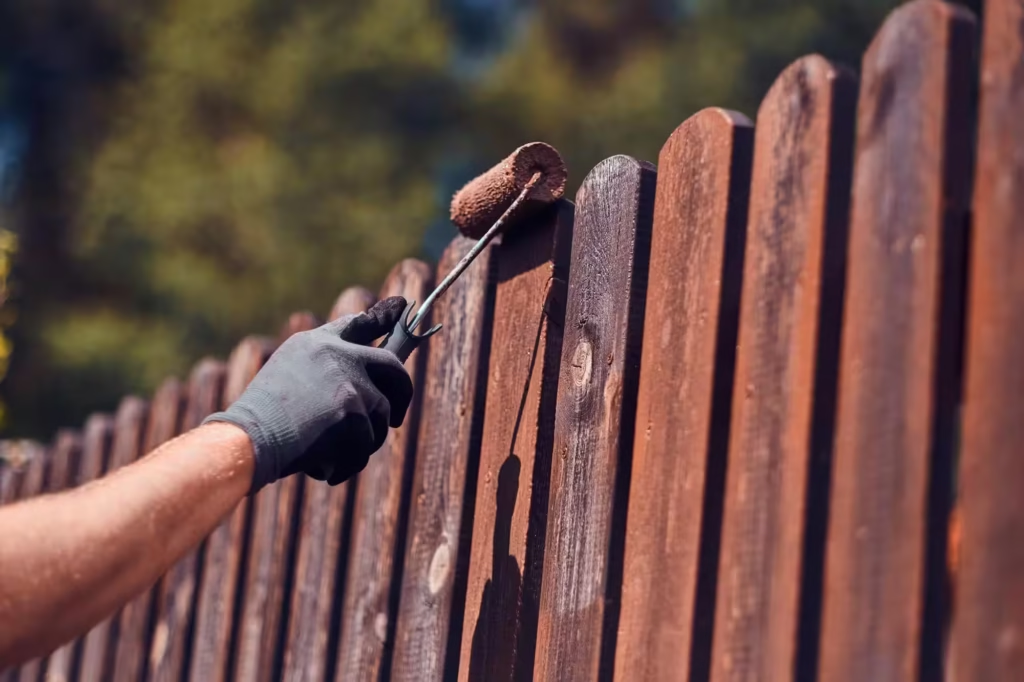
Tips & tricks to maintain your fence

Ryan Bohannan
Introduction: Making the Right Fence Decision
Choosing a new fence is a significant investment that impacts your property’s security, aesthetics, and value for years to come. With so many materials, styles, and regulations to consider, it can feel overwhelming.
At Mallard Fence & Construction, we believe the right choice starts with asking the right questions. As your local experts serving Graham, TX, and Young County, we’ve distilled the process into five essential steps to guide you toward the perfect fence solution.
Step 1: Define Your Fence’s Primary Purpose
The function of your fence is the most important factor in determining the material and height. What is the main job you need your fence to do?
| Primary Purpose | Ideal Fence Type | Key Features |
|---|---|---|
| Privacy | Wood Privacy, Vinyl Privacy | Solid panels, 6-8 feet tall, minimal gaps. |
| Security | Ornamental Iron, High-Security Chain Link | Durable materials, anti-climb features, locking gates. |
| Aesthetics/Boundary | Split Rail, Picket, Ornamental Aluminum | Decorative design, lower height, open visibility. |
| Pet/Child Safety | Chain Link, Solid Wood | No large gaps, secure latching gates, appropriate height. |
| Livestock Containment | Barbed Wire, Pipe Fence, Woven Wire | High tension, heavy-duty posts, durable against animal pressure. |
Step 2: Consider Local Regulations and HOAs
Before falling in love with a design, you must ensure it is compliant with local rules. In Graham, TX, and surrounding areas, this often involves checking:
- Height Restrictions: Residential fences often have a maximum height (e.g., 6 feet in the backyard, 4 feet in the front).
- Setbacks: How far the fence must be from property lines, sidewalks, or streets.
- Material Restrictions: Some Homeowners Associations (HOAs) or historic districts may restrict materials or colors.
Mallard Fence & Construction handles all necessary utility marking and permitting to ensure your project is fully compliant.
Step 3: Evaluate Maintenance and Longevity
The Texas climate with its intense sun, occasional storms, and varying humidity can be tough on materials. Consider how much time and money you are willing to spend on maintenance.
| Material | Maintenance Required | Expected Lifespan |
|---|---|---|
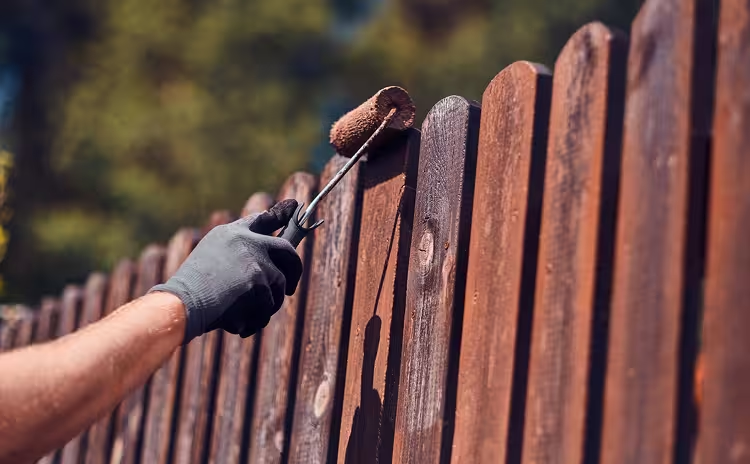
| Wood (Cedar/Pine) | Requires periodic staining/sealing (every 3-5 years) to prevent rot and fading. | 15-20+ years |
| Vinyl (PVC) | Very low; occasional washing with soap and water. | 25+ years |
| Ornamental Metal | Low; occasional touch-up of powder coating to prevent rust. | 20-30+ years |
| Chain Link | Very low; virtually maintenance-free. | 20+ years |
Step 4: Determine Your Budget
Fencing costs vary widely based on material, height, and linear footage. While wood is often the most budget-friendly upfront, consider the long-term cost of maintenance (Step 3).
- Budget-Friendly: Chain Link, Pressure-Treated Pine
- Mid-Range: Cedar Wood, Basic Vinyl
- Premium: Ornamental Steel/Iron, Custom-Designed Fences
Step 5: Partner with a Local Expert
The quality of the installation is just as important as the quality of the material. A local contractor like Mallard Fence & Construction understands the specific soil conditions, local codes, and climate challenges unique to the Graham area. We ensure your fence is installed correctly the first time, guaranteeing its longevity and performance.
Ready to Get Started?
Don’t let the choices hold you back. Let the experts at Mallard Fence & Construction guide you through the process. We provide free, no-obligation consultations to help you weigh your options and find the perfect fence for your property.
Call us today at +1 940-456-6294 to schedule your consultation in Graham, TX!